Showing posts with label planning advice. Show all posts

Wednesday, 24 November 2010

Always Advice: Photography


I wrote this blog post quite a while ago and for one reason or another I hadn’t got round to posting it on the blog. There’s been a lot of talk recently on the blogosphere about the importance of hiring a professional photographer so I thought it was about time I did share it with you all. For me photography has always been really important, growing up with a dad who loved to take photos and having a number of albums from my childhood I’ve always appreciated the importance of having great photos to trigger great memories and share with future generations; I know when it came to our wedding I didn’t hesitate in hiring a professional photographer. Yet choosing your wedding photographer can be one of the hardest as well as one of the most important decisions you make when it comes to planning your wedding as there are so many wedding photographers out there.
When thinking of your wedding budget you may be looking at ways of saving money and cutting costs. One area people think they can cut is the cost of hiring a professional photographer. You may be thinking that you don’t want traditional posed shots anyway, you like the reportage, photo journalistic approach and with the ever more affordable move to good quality cameras around surely you can just ask a friend to do it for you?

Taking well composed candid shots at a wedding is a lot harder than it looks. Lighting conditions can be difficult, particularly in churches where if you are allowed to take photos it is unlikely you can use a flash. Also if you ask a friend to take the photos who is a guest, are they going to be relied upon to get all those important shots of the party or will they be busy catching up with other guests and enjoying the party themselves?
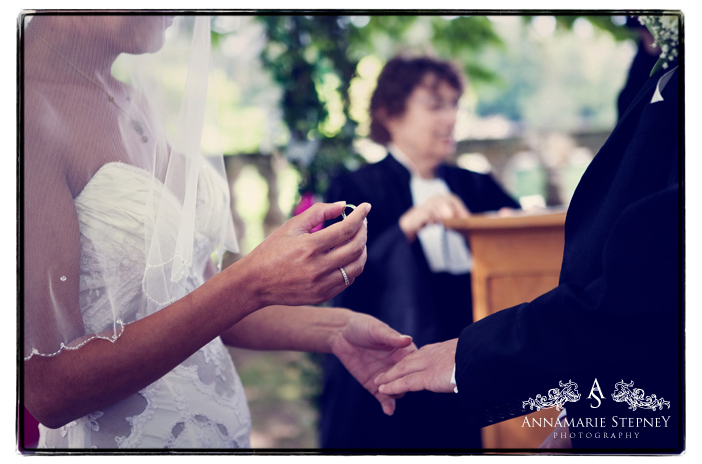
 
A good photographer who has experience taking photos at weddings knows how to compose good shots, understands how to deal with difficult lights; they know weddings so they can often pre-empt a shot and capture the most amazing moments as they discreetly mingle amongst your guests.

This doesn’t mean however, that just because someone is calling themselves a professional photographer they are automatically any good or fit your needs so you need to do your homework. Look at wedding blogs that showcase real weddings such as Rock’n’Roll Bride, Love My Dress, Rock My Wedding – do any of the photographers stand out for you? Look at those photographers’ websites, do they have online galleries open to the public, do they have a blog showing their recent work. Blogs are a good way to see a range of their work as they will often post whole weddings, you can get a real sense of their style and if it will suit the kind of wedding you are having; blogs can also give a great insight into the photographer’s personality. Ask friends and family as personal recommendations are always great and will give you a feel for their personality and reliability.

 
Arrange appointments to see a few and don’t feel you have to book straight away. How you get on with the photographer is very important, you need to feel relaxed with them as you will be spending the whole day together and if you are in anyway uncomfortable it will show in the photos.

Ask lots of questions about how they work, what’s included in their packages, how long they will stay etc. Do they include engagement or pre-wedding shoots? These are great for getting to know your photographer and for you both to get used to being in front of the camera, and have a bit of fun too. Ask to see their albums which should be complete weddings so you see how they capture the day as well as how they layout their albums; be wary of a photographer that only shows you a portfolio/album with shots from a number of different weddings.

If it is a big company check that you are getting the photographer that you meet. If you are concerned about a solo photographer ask what their back up is, chances are they know a lot other photographers who can step in for them.

 
When looking at the websites take note of their starting prices, if this is more than your budget don’t go and see them unless you know you can saves costs somewhere else to pay for them. If you love a photographer and they are over your budget ask if they will do a reduce hours package or look at ways of getting the album at a later date maybe as a gift from family, but don’t just ask them to reduce their costs because you’ve seen another photographer who is cheaper-they’re not the same.

If budget really is tight consider new photographer’s who are just starting out, they may not have as much experience but they will at least be enthusiastic and committed to giving you the best photos they can. Ask a photographer whose style you like if they have worked with any up and coming photographers as their second shooter that they would recommend. If you are considering using a friend try and find one that has a photography background or works in a creative field; ask more than one friend to do different parts of the wedding; have disposable cameras on the tables and hire or set up a photo booth.

 
Finally, remember that what you pay your photographer on the day, as with any supplier does not go straight into their pockets. They are running a business with professional costs: website, marketing. They buy quality equipment: fast lenses that deal with poor lighting, professional editing software, back up facilities. They have experience and will be constantly furthering their knowledge and training. For a must read article on the cost of photography see this post on Rock’n’Roll Bride

Most things you pay for you see on the day whereas the photos you won’t see until after but that’s why they are so important as when all is said and done the dress has been packed away, the food eaten, the flowers wilted the photos are a physical record of the day. A good professional photographer will capture those moments that you will cherish the rest of your married life, what price can you put on that?

For further reading on this subject check out these posts by professional photographers Juliet McKee here and Fiona Campbell here and here

All photos courtesy of Annamarie Stepney Photography

Friday, 29 January 2010

Always Advice: What's your dress size?


While I was at Circa Vintage last week Marion and I got to talking about the difference in dress sizes now and in vintage clothing; vintage clothing is usually much smaller then modern sizes as the modern body shape has changed and is generally bigger, so you wouldn't necessarily buy your standard dress size when shopping for vintage clothing

When you go shopping for your wedding dress it’s not as simple as just knowing your dress size; there are standard sizes but the measurements used for this will vary from designer to designer and from shop to shop. The reason is that there is no universal standard size that all fashion houses copy. The general sizes are used as guidelines; each company will tailor its own basic block (Block is the term given to the basic pattern from which other patterns are adapted and graded into other sizes) for use with its designs. They will also modify their sizes to fit in with the market they are targeting. So for example a shop that caters for a younger clientele will be smaller than one which caters for an older clientele.

The cut and style of the garment will also affect the size and how it fits. A Bias cut dress will stretch and therefore have a lot more give in it then a fitted corseted style.

Standard dress sizes don’t take into consideration body types either they are generally based on an hourglass ratio. So if you’re busty with a small waist, the waist may end up being too big. It can help knowing your measurements as well your dress size as this is often a better indication of how a dress will fit. Catalogues give good guides on how to take your measurements. If you are a ‘non-standard’ ratio consider getting your dress made to measure as it may end up being more cost effective then having a lot of alterations made to a standard dress size.


Also worth bearing in mind as you try dresses on is that many bridal wear shops stock European (within Europe size charts vary too) and American brands which have different sizing charts. So for example a UK size 12 will be a US 10, France 40, Germany 38, Italy 44 etc.

Good bridal shops will know what the fit is like on their different labels and will be able to size you accordingly, so do trust the assistant. This is particularly important if you are shopping and/or having to order in dresses for your bridesmaids; don’t just take their word for it, try getting them measured.

So when dress shopping try on a variety of styles and don’t get hung up on the label. Your ‘dress’ size is only a guide to know which dresses to try on first, chances are most dresses will need altering. Don’t be tempted to buy a dress too small because you always wear size 10 say, it’s far easier to take a dress in then to let it out; and if anyone is impolite enough to ask tell them the American size, it will be one size smaller.

Image courtesy of Marianne Taylor

Tuesday, 12 January 2010

Always Advice: Gift Lists


If you are considering setting up a gift list, you need to decide what you type of presents you want on it as there are number of gift registry options out there. For example, if you are thinking of a standard gift list take a look at what you have already in your home and what you might need; if you are moving in together after you get married look at both your belongings and decide what you are likely to keep and where the gaps are. Popular items for traditional gift lists are house wares such as linens, china, small appliances; which even if you have already you could upgrade.

You may find that you really don’t need any more items for your home in which case there are other options: this could be a great opportunity to get some of those luxury items you may have been coveting such a bespoke piece of furniture, a piece of art or setting up your own wine cellar. Then there are gift lists for honeymoons, charitable donations even Interior Design companies to help on large renovation projects (I’ll be looking at one such company Beyond Weddings in my next post). Don’t be afraid to think out of the box.


You can register your gift list in a number of different ways.

Large department stores such as John Lewis, Debenhams are often first choice as they provide a large variety of items in a wide price range and you can go in and choose the items yourself.

Specialist wedding gift registries such as The Wedding Shop or lifestyle shops like Cath Kidston offer a more personal service and they will know more about the items you are choosing and have their own dedicated showrooms or shops.

Online services offer a great choice of products and are very convenient for your guests; a very good one such as Not on the High Street which stocks a huge range of products from independent British suppliers, give you a personal consultant and deliver the items as soon as your guests have purchased them rather than one large delivery when you return. This can be very helpful in keeping on top of those thank you notes.

For the alternative to items for the home there are dedicated honeymoon gift lists such as Honeymiles or travel agents such as Trailfinders. Consider one that not only pays towards the flights and hotel but also special treats you can do while away such as a meal with a sunset view, a helicopter trip, spa days; for guests who like to know where their gift is going this is a great idea and your thank you note can be a photo of you enjoying it.

For Charitable gift lists where guests give donations to your favourite causes there are number of choices from Oxfam Unwrapped, Good Gifts to The Alternative Wedding List and there are ethical and eco friendly lists too such as Fair Gift or Our Green Wedding List

If you want to combine department stores, honeymoons and charity then there are number of services that do this such as The Bottom Drawer or Nearly Married .


So how do you go about deciding which gift list provider to go for?

• Check what level of service is on offer and does it meet your needs
• How do you choose your gifts and set up your list
• Is there a charge for registering
• Can you add or take away items from your list once open
• Can you change your mind about items bought
• When are your gifts being delivered
• What’s the delivery charge if any
• How do your guests buy from the list
• How will you notify them, does the service provide notification cards

Really place close attention to fine the print and think about if it’s right for you and convenient for your guests e.g. will your guests want to go into a shop or will they be happy to buy online, and when you come to compiling your list put a variety of items on it, in a range of prices to give your guests the most choice.


Once upon a time it used to be frowned upon to even suggest you were asking your guests for a gift but these days many guests want to buy you a gift; even if you don’t want one or would like cash gifts, consider having a small back up one. Guests also appreciate having guidance when it comes to choosing a gift as they’ll know that it’s a gift you truly want. So if you do decide to go for a gift list choose your gifts and the registry service wisely and don’t forget to send out those thank you cards!

All images via Not on the High Street

Thursday, 17 September 2009

Always Advice: Multi Cultural Weddings

Britain today has a wonderful mix of cultures from across the globe and it is becoming ever more common for couples to come together from different cultural backgrounds and faiths; bringing a wonderfully unique look and feel to a wedding full of personal touches from each side.

Sometimes the differences in couples cultures may be not be considered, particularly when caught up in the euphoria of romance. However, when planning a wedding it is worth taking the time to decide which cultural influences are important to you as a couple and will have the most meaning both at the ceremony and reception afterwards.


At first it may appear that the cultures are very diverse and although it seems simple it is far too often overlooked that just talking to each other’s families can provide an insight into the different traditions and allow you to discover the common ground. You can then take the best of both worlds and create a wedding unique to you as a couple, whilst keeping everyone happy.

As you learn more about each other’s traditions and have an understanding of their origins you can make informed decisions about what you would like to do for you wedding. There will need to be a willingness to compromise on certain aspects as you decide what is important but try to keep a fair balance so that one side of the family does not feel they have to give up more than the other which could breed resentment during the wedding preparations and potentially lead to consequences lasting beyond the wedding day.


If the two cultures are very different then it is worth considering having two ceremonies that best reflect the traditions and religious faiths of the happy couple. If you go for only one type of ceremony which is heavily influenced by one side’s faith then you should consider incorporating aspects of the other culture’s traditions in other areas of the day, such as the choice of colours, stationery, favours and evening entertainment.


It is also important to make all parties aware of the different cultural traditions you have decided to follow before the wedding. If you have decided against a particular tradition that you know an older relative feels is important talk to them about if beforehand, explain your reasons and discuss if there are suitable alternatives. If they are forewarned there are less likely to be repercussions on the day. It is also worth explaining the traditions you are planning to follow to your guests beforehand, perhaps with a note in the invitations, so they know what to expect and will not be offended by something or even laugh at an inappropriate moment.

Multi cultural relationships which embrace both cultures can offer a wealth of opportunities to create a memorable wedding; with influences drawn from different values and beliefs the wedding day experience is enhanced for all attendees giving them an insight into the life you have chosen to lead together. Drawing on different influences can also revitalise and reenergise a ceremony for a modern generation that embraces multi-cultural alliances. Your wedding day is one to be treasured for the rest of your life; with the right approach your multi cultural heritage can be an integral part of what makes the day unique to you both.


Photos courtesy of Marianne Taylor

Wednesday, 22 July 2009

Always Planning Advice: Getting Started

You’ve had the proposal, you’ve accepted and now you’re officially engaged, what next? Well before you start choosing the colour of your confetti there are some big questions you both need to sit down and answer before you get carried away with all the details. Think of it as a big chain that interlinks, each link having a bearing on the next.

To begin with what kind wedding do you want? Have you always imagined having a big white wedding with all the traditional trimmings or do you see yourselves just wanting a good party. It’s your wedding, don’t be swayed by what you think is the right thing to do; you want it to be a personal reflection of you as a couple.


Next to consider is the big money question, how much do you want to spend on the wedding? Be realistic, look at your finances and work out how much you can afford, the start of married life is not the time to be getting into debt. Will you need to start saving or do you already have a pot put aside?

Are there any family members that want to help? If so it’s worth talking to them at this stage to establish what are they expecting in return, is it a no obligation gift or are they going to want a large say in what the money is being spent on. If you feel it’s going to compromise the kind of wedding you want then consider saying no. It’s always a good idea to use gifted money for a particular area of the wedding such as the flowers or drinks and give them some say in just that area.


When to marry? Is there a time of year that holds a special significance, an anniversary of an important date in your relationship? The budget may have a big effect on when you choose to get married because if you have to save you will need to give yourself long enough to do so. If the budget’s tight you may also want to consider getting married out of season i.e. not in the summer or think about a mid week wedding. Unless you’re having the most intimate of weddings or are willing to be incredibly flexible with dates you should ideally give yourselves at least a year to plan the wedding.


Make a provisional guest list as soon as you can, there’s no point looking for venues if you’ve no idea who’s coming? Split your list into groups, family, friends- school, university, work, and within each group list in importance, close and not so close etc. (Grouping at this stage will also help if you eventually decide to do a seating plan.) This is also a good time to decide who you want to play key roles such the best man and chief bridesmaid and check with them if they’re going to be around for the date or time of year you have in mind.

Once you have asked yourselves these key questions you are better prepared for the next steps and that’s when the fun really begins!

All photos courtesy of Marianne Taylor Photography

Related Posts with Thumbnails